Lower Back Pain
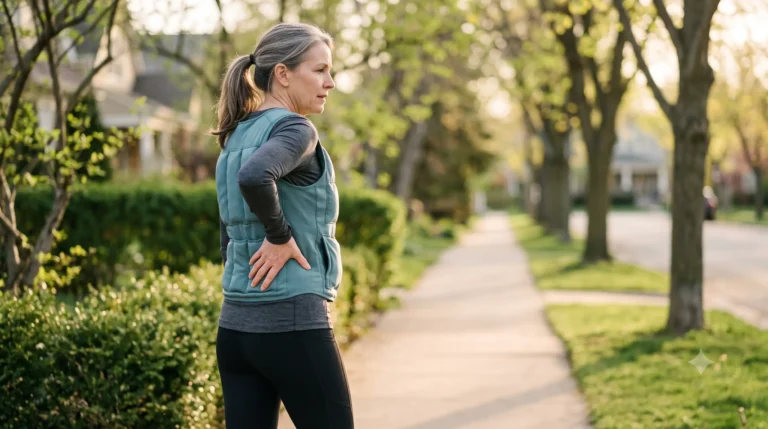
Is a Weighted Vest Safe for Your Back? When to Get Advice
A weighted vest adds load and can aggravate symptoms. Learn when to stop, who should seek advice before trying one, and what bone studies actually found.
Low back pain is the single leading cause of disability worldwide. It can start as a dull morning ache and evolve into a debilitating condition that steals your sleep and mobility.
But here is the truth many clinics won't tell you: 80% of back pain is mechanical. It is not a disease; it is a sign that your spine's load-bearing capacity has been exceeded. The good news? You can rebuild that capacity.
Dr. Vivek Arora provides specialized hands-on spine treatment at our Kosabadi clinic.
Book Consultation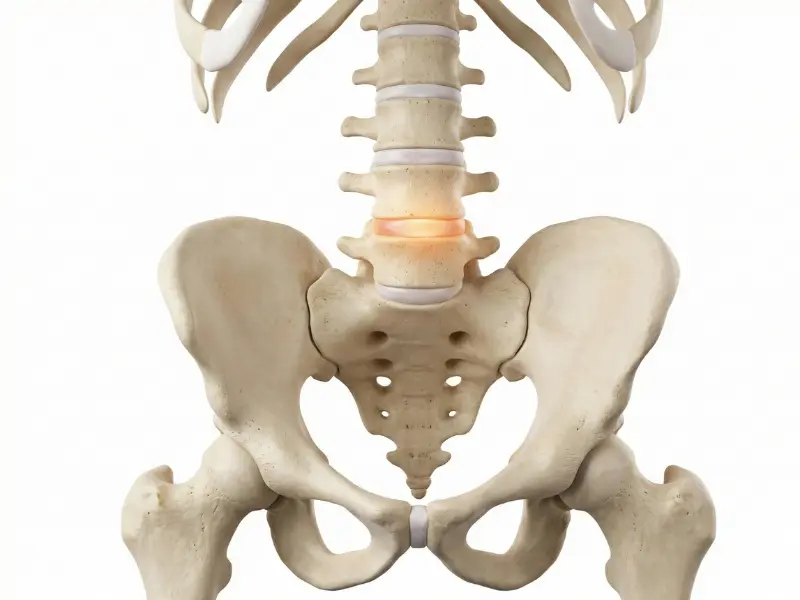
Your lower back (Lumbar Spine) is an engineering marvel. It supports the weight of your entire upper body while allowing you to bend and twist. Pain typically comes from three structures:
It is rarely just one thing. Most back pain is a result of a "Perfect Storm" of factors:
Pain leads to fear of movement. Fear leads to inactivity. Inactivity leads to stiffness. This cycle keeps you in pain.
The soft cushion slips out and presses on nerves (Sciatica).
Prolonged sitting (office jobs) deactivates your glutes, forcing your lower back to do all the work.
Natural wear and tear narrows the spinal canal over time.
Doctors usually start with a physical exam. Imaging is typically reserved for cases that don't improve.
Many patients panic when they see "Disc Bulge" on their MRI report. However, studies show that 30-50% of pain-free adults have disc bulges. An MRI picture does not always equal pain. We treat the patient, not the picture.
Most back pain is safe, but seek urgent care if you have:
Loss of control (Cauda Equina Syndrome).
Numbness in the groin/inner thigh.
Inability to lift toes while walking.
Back pain with unexplained weight loss.
80% of back pain resolves with conservative care. The goal is to calm the inflammation down, then build the muscles up.
Bed rest is outdated. Short walks flush inflammation and keep joints lubricated.
Use heat for comfort. Avoid "slumping" on the couch which reverses your spinal curve.
Strengthening the core and glutes is the only long-term fix to prevent future attacks.

Small adjustments in your daily life can reduce pain by 50% instantly.
A weighted vest adds load and can aggravate symptoms. Learn when to stop, who should seek advice before trying one, and what bone studies actually found.
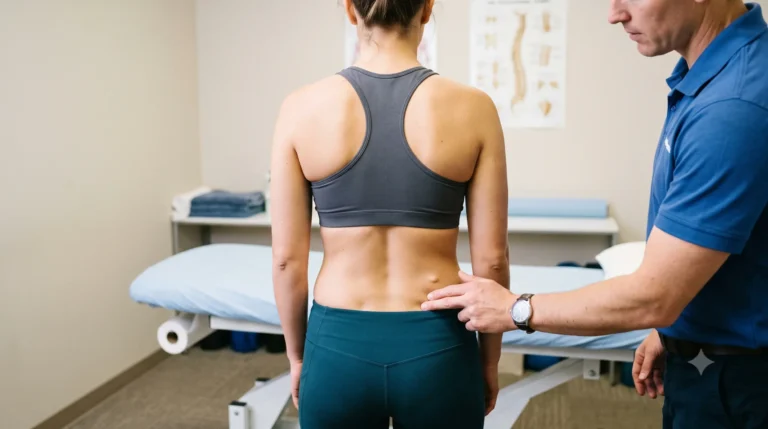
A lump near the lower back dimples can have several causes. Learn what “back mice” means, when a lump needs assessment and what treatment can involve.

Learn why standing still can bring on lower back pain, how to adjust daily tasks, and when leg symptoms need assessment.
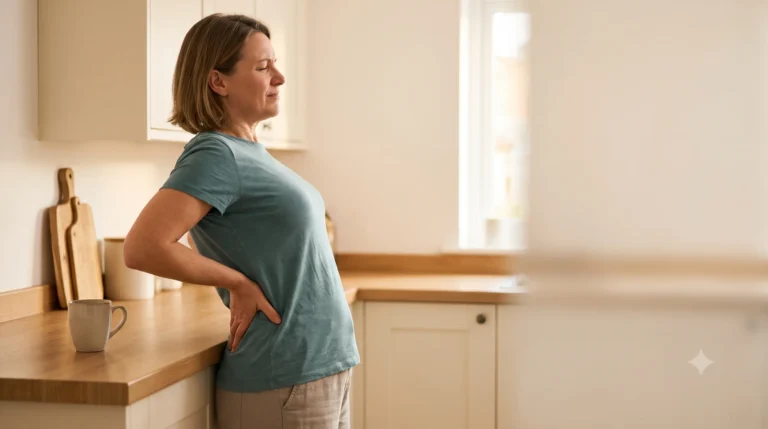
Lower back pain when you lean back has several possible causes. Learn which symptoms to report, when athletes should get checked and what may help.
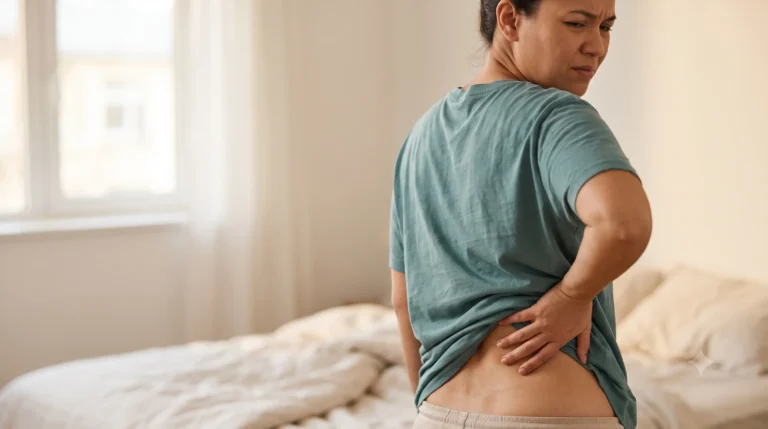
A burning feeling in the lower back can come from the skin, nerves, muscles or other causes. Learn which symptoms to report and when to seek care.
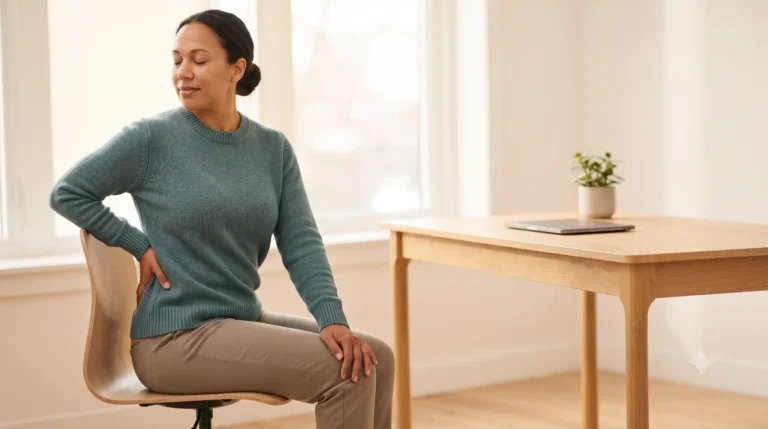
A painless lower back pop is common. Learn why sounds can occur, which symptoms warrant care, and how to return to comfortable movement.
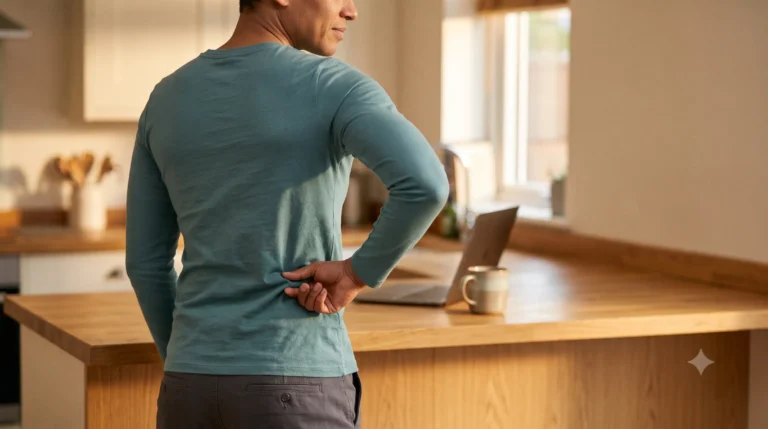
A tender spot and a distinct lump need different care. Learn when to seek an examination and what you can try for ordinary muscle soreness.
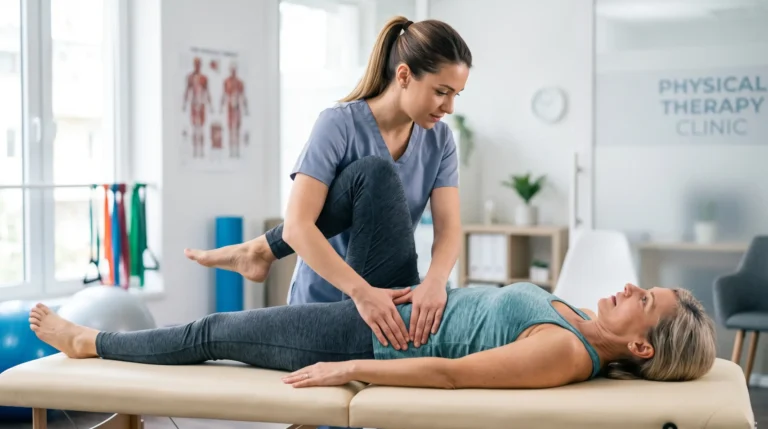
Learn what sacroiliac joint pain can feel like, how clinicians assess it, and when back or pelvic symptoms need medical attention.
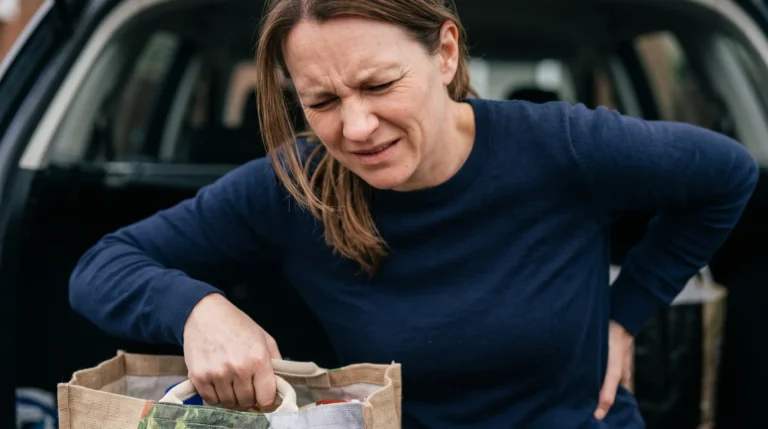
Understand what a lumbosacral strain means, why symptoms cannot identify every injured tissue, and how activity and warning signs guide recovery.

Understand possible spinal, kidney, bowel and pelvic causes of right-sided back pain, why movement cannot rule them out, and when to seek urgent care.
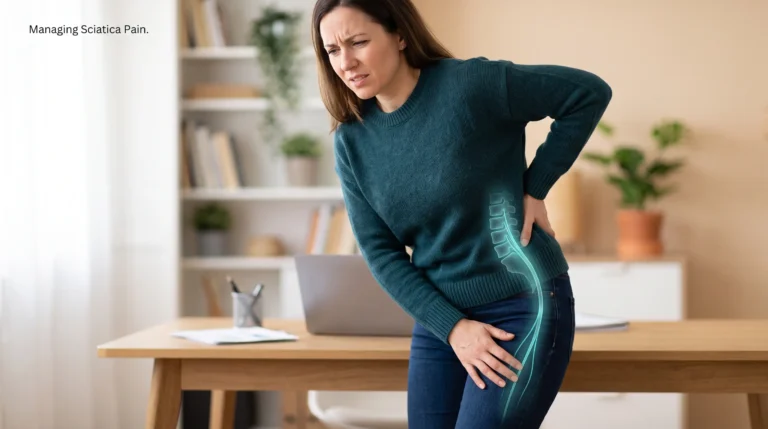
Recognize symptoms that can occur with sciatica, understand why sensations alone cannot diagnose it, and learn which changes need urgent or emergency care.

Learn why back and hip symptoms overlap, why pain below the knee is not a reliable home test, and which signs need urgent or emergency assessment.
Learn what a back muscle spasm can mean, which warning signs need urgent care, and how comfortable movement and symptom relief may support recovery.

Explore comfortable sleep positions and pillow support for ankylosing spondylitis, why a fused spine should not be forced flat, and when to seek care.

Compare piriformis syndrome and spinal sciatica, learn why home tests cannot confirm the cause, and recognize symptoms that need urgent medical care.

Plan a graded return to powerlifting after an L5–S1 herniation, understand the limits of athlete recovery data, and recognize urgent warning signs.

Lower back and hip pain after total knee replacement? Learn possible causes, postoperative warning signs, when to contact your team and how rehab is individualized.

Lower back pain 2 years after a childbirth epidural? Learn what research shows, which symptoms need care, and why persistent pain deserves individual assessment.

Is a recliner good for lower back pain? Learn what research can and cannot show, how to test comfort safely, and which symptoms need assessment.
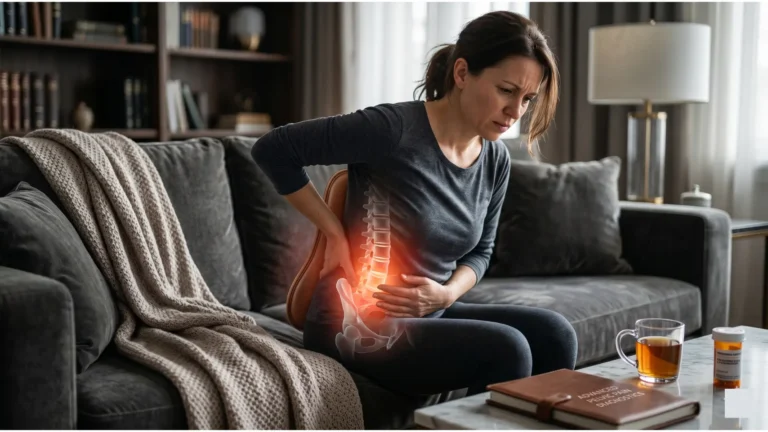
Lower back pain and pelvic pressure can have several causes. Learn which symptoms need urgent care, what to tell a clinician, and when rehabilitation may help.

Ice or heat for lower back pain? Compare the limited evidence, choose a comfort measure safely, and learn which symptoms need urgent medical assessment.

Could large breasts contribute to lower back pain? Learn what assessment can clarify, support and exercise options, and what breast-reduction evidence shows.

Lower back pain while driving? Try comfortable seat adjustments and safe breaks, learn when driving is unsafe, and know which symptoms need assessment.

Deadlift and lower back pain? Review nine coaching adjustments, training load, warning signs and a gradual return to lifting without assuming a technique fault.
Lower back pain 1 year after C-section? Learn possible causes, when scar or pelvic symptoms need assessment, and how to plan a gradual return to activity.

Mild soreness after a chiropractic adjustment is usually normal. Learn how long lower back pain after chiropractic adjustment lasts and when to get checked.

Lower back pain after bending over is usually a mechanical flare, not damage. Here are the causes, the first 72 hours, the red flags, and when imaging helps.

Sharp pain in lower back when sneezing? Learn the real causes – disc, muscle, facet joint – plus the red flags and how to get relief in the first 72 hours.

Learn what lower back dimples are, what can cause pain around them, and which symptoms need medical assessment.
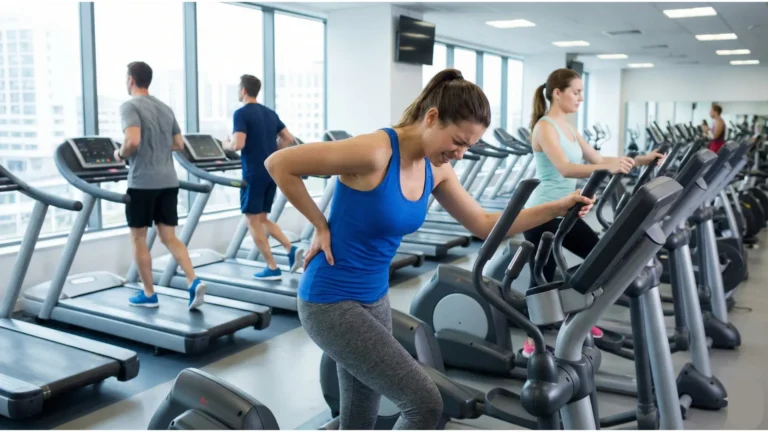
Elliptical machine lower back pain has a mechanical cause you can fix. Here are the 9 common triggers, the setup change for each, and a two-week return plan.
Common questions about back pain, recovery, and treatment.

Still have questions? We are here to help.