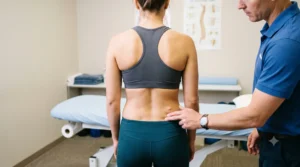
Check for emergency symptoms before trying a movement test. Get emergency care now for new difficulty passing or controlling urine, new loss of bowel control or sensation, numbness around the genitals or anus, or new sciatic pain down both legs. Severe or worsening weakness or numbness in both legs also needs emergency care. Persistent pain when arching in a young athlete, or pain after a fall, needs medical assessment. A home movement check cannot identify which structure hurts.
Expert Review: This article includes clinical insights from Dr. Vivek Arora, a physical therapist (physiotherapist) with 20+ years of experience.
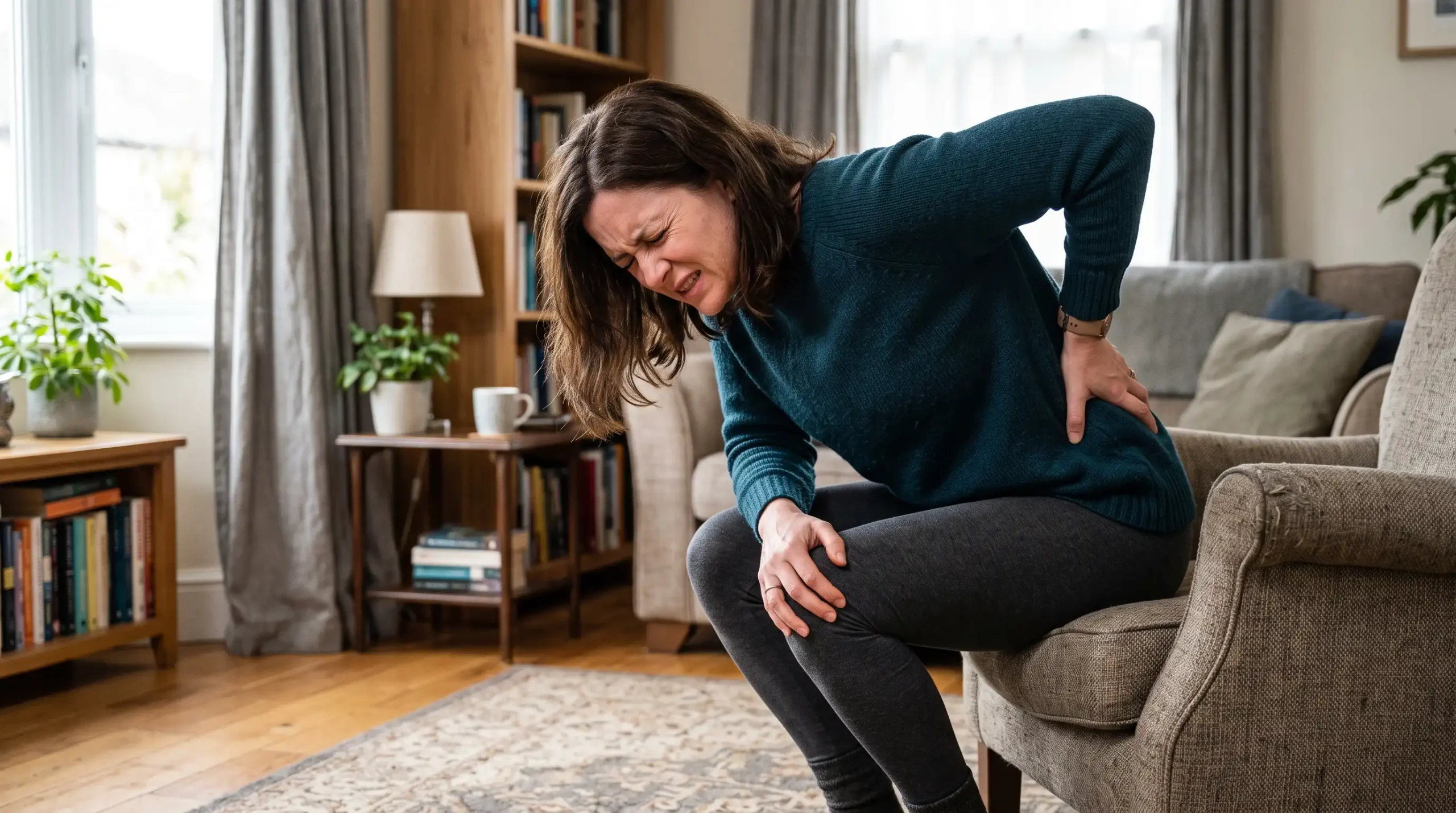
Leaning back can bring on lower back pain. The movement can aggravate different structures, and pain with arching alone cannot show which structure is involved.
The next step depends on any injury, the duration, leg symptoms and the tasks that are difficult.
Key takeaways
Leaning backward changes how the lower back moves and how much space is available around the nerves. This does not diagnose the source of pain.
Describe where you feel the pain, what brings it on and whether your legs feel different.
Hip and upper-back movement may affect how leaning back feels. A clinician can assess this without assuming that one joint is overloaded.
Avoid repeatedly forcing a movement that causes sharp or spreading symptoms. Try a comfortable alternative when safe.
Get assessed for persistent arching pain in a young athlete or pain after an injury. Follow the emergency advice above for new neurological warning signs.
Why does it hurt to lean back?
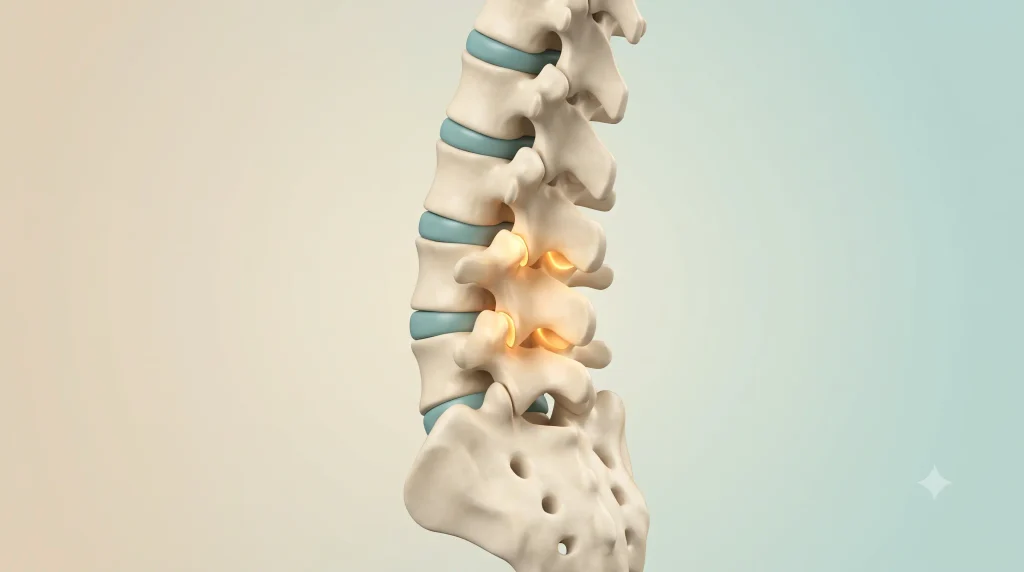
Leaning back is called extension. It can change the load across the joints and the available space around nerves. Several conditions can produce pain with this movement.
The small facet joints sit at the back of the spine. They may be one source of pain. A painful backbend alone cannot establish that a facet joint is responsible.
The pars interarticularis is a small bridge of bone in the back of a vertebra. Repeated extension in sport is associated with pars stress injuries. Persistent pain during arching in a young athlete deserves assessment.
Why your hips and upper back matter
Movement can involve the hips, back and upper body together. A clinician can check which changes make a particular task more comfortable.
What is your pain pattern telling you?
Symptoms help your clinician choose what to examine. The response to leaning back cannot distinguish a disc, joint, nerve or muscle issue by itself.
What you notice
Activity that may affect it
What you can report
What a clinician may consider
Local back pain
Turning or leaning back
Where it hurts and what makes standing easier
Several possible structures, including nearby joints or muscles
Persistent arching pain in a young athlete
Training with repeated extension
Sport, training changes, injury and duration
A pars stress injury or another cause worth assessing
Heavy or tingling legs
Standing or walking
Whether sitting, leaning or stopping activity helps
Spinal stenosis and circulation problems
Aching across the low back
A new activity or prolonged position
What movements limit you and whether symptoms improve
Back pain with several possible contributors
Symptoms that change with posture
Sitting, standing or moving
What happens during and afterward
The whole clinical picture, including movement, strength and sensation
These observations can guide an examination.
What to tell a clinician
A movement response gives information about symptoms. It cannot identify the painful structure.
Describe the usual movement that triggers pain, such as reaching overhead.
Mention any pain, tingling or numbness that spreads into the leg.
For a young athlete, report repeated symptoms during training, even if they ease after the session.
Tell the clinician whether standing or walking brings on leg heaviness and whether sitting or resting helps.
Report groin pain, reduced hip movement or difficulty putting on socks.
Get emergency care now for new saddle numbness, bladder or bowel changes, new bilateral sciatica, or severe or worsening weakness or numbness in both legs.
A systematic review of the Kemp test found limited diagnostic accuracy for facet pain. Avoid deliberately arching and twisting to diagnose yourself.
Who tends to get pain on arching, and what else could it be?
Symptoms during extension can occur in people of different ages and activity levels. Age, history and the examination help determine what should be checked.
Gymnastics, dance and some other sports involve repeated arching. A young athlete with persistent or repeated pain should modify painful training and get assessed. See AAOS guidance on spondylolysis.
Leg heaviness or tingling during standing or walking can occur with lumbar spinal stenosis. Other conditions, including circulation problems, can feel similar.
Pain when arching is a warning sign when it arrives with nerve changes, follows a fall or impact, persists in a young athlete, or comes with signs of illness. An irritated joint does not explain these patterns, and some worsen if you keep exercising through them.
Emergency: new saddle numbness, difficulty passing or controlling urine, loss of bowel control or sensation, new bilateral sciatica, or severe or worsening weakness or numbness in both legs.
Prompt assessment: a new dropping foot or new or worsening leg weakness.
Urgent assessment: severe pain after a fall, including a minor fall if you have osteoporosis or take long-term steroids.
Arrange assessment for a young athlete with repeated or persistent pain during arching. Pause movements that trigger it while awaiting assessment.
Seek urgent care for fever or feeling very unwell with new back pain. Contact a clinician promptly for new persistent pain with unexplained weight loss or a history of cancer.
Call local emergency services for sudden severe back or abdominal pain, especially with fainting or marked weakness.
Do you need an X-ray or MRI?
Imaging is usually considered when a serious cause is suspected or the result would change care. The clinician can choose the test if there are concerns about a fracture, a pars injury or nerve compression.
An image can show joint or disc changes that are also seen in people without pain. The clinician compares the finding with the examination before attributing symptoms to it.
From the Clinic: Dr. Arora’s Expert Insight
Describe how leaning back fits into a daily task, such as reaching a high shelf or working overhead.
A clinician can watch how you move and look at the hip or back without assuming a single cause.
Try a task adjustment that makes reaching or standing easier. Ask about exercise suited to your symptoms if the pain persists.
What can you do during a flare?
Avoid repeating a painful arch as a check. Try positions and activities that feel comfortable if there are no warning signs.
What to do today
Try a short, comfortable walk if it suits you.
If it feels safer and more comfortable, take a standing break or change your position at a counter.
Try lying with your lower legs supported if that feels comfortable.
Gentle movement on your back is an option if it does not increase or spread symptoms.
Temporarily adapt an overhead task if it repeatedly aggravates pain.
Seek assessment if symptoms worsen, spread into a leg or continue to limit normal activity.
Three myths that slow recovery
A backbend alone cannot establish that a disc or joint is the cause.
Avoid holding a position that causes sharp or spreading pain.
Try returning to the movements you need in a comfortable range. The pace depends on the cause and your symptoms.
What can help you return to usual movement?
After assessment when needed, choose a tolerable starting point and gradually build toward tasks that matter to you.
Stage
When
Example
What to review
Comfortable movement
As symptoms allow
Short walks or position changes
Whether daily activity feels manageable
Build movement
When gentle movement is tolerable
Comfortable back or hip movement
Whether you can repeat it without worsening symptoms
Build strength
As activity becomes easier
Appropriate exercises such as bridges or supported squats
Strength and function between sessions
Return to usual demands
Individual timing
Gradual overhead activity or sport-specific work if cleared
Your symptoms and your clinician’s advice
Suspected stress injury, nerve problems or other conditions may need different care.
Why these exercises
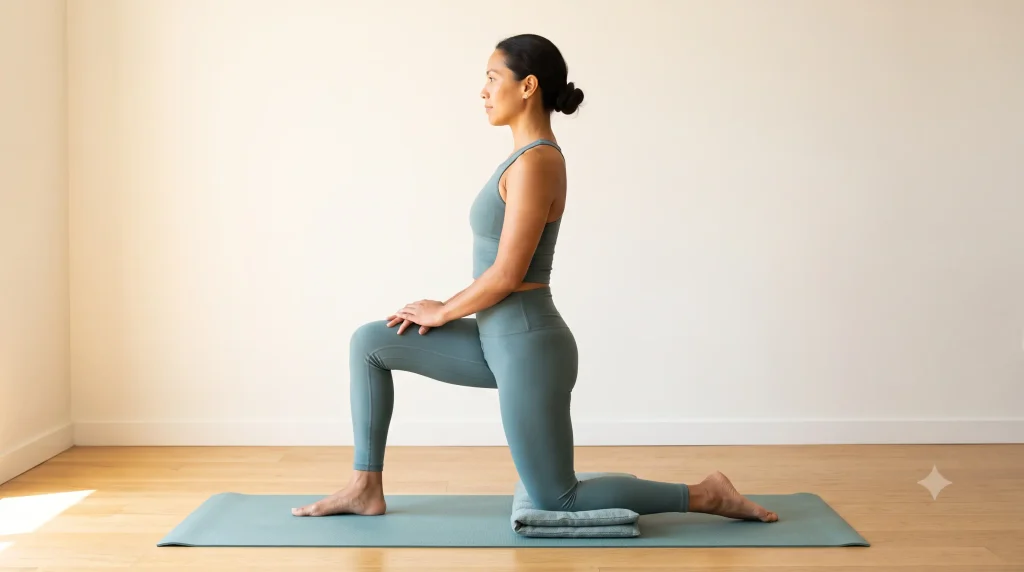
A supported hip flexor stretch is one option if your clinician considers it suitable. Use a comfortable range and avoid it if it reproduces sharp back pain.
Gentle upper-back movement may be useful when it feels comfortable and fits the task you want to resume.
A bridge is one option for gradual hip strengthening if you tolerate it.
A supported trunk exercise may suit some people. Ask about options that fit your ability and goals.
McKenzie exercises are selected after assessing how symptoms respond. Do not force backward bending just because it is part of a routine.
Everyday do’s and don’ts
Change your stance or support if that makes a task easier.
Adjust a lift if leaning back repeatedly makes it painful.
Choose a comfortable sleep position. A universal restriction is unnecessary.
When can you get back to sport, standing work and the gym?
Return gradually once your symptoms and function allow it. Get guidance for persistent arching pain in a young athlete or pain after an injury.
For standing work, start with a shift pattern that lets you change positions as needed.
For overhead lifting, use a manageable range and load and build toward the task gradually.
For arching sports, seek assessment and follow a sport-specific return plan if the pain recurs or a stress injury is suspected.
If progress stalls
Arrange an assessment if symptoms persist, worsen or limit activity despite adjustments.
Are injections or surgery ever needed?
In selected cases of persistent localized pain, a specialist may consider a diagnostic medial branch block and other options based on the examination and prior care.
Surgery is considered for certain diagnosed conditions, including when ongoing leg symptoms and imaging findings justify it. Emergency nerve symptoms follow a separate pathway.
The bottom line on lower back pain when leaning back
Back pain during extension is a symptom pattern. Keep comfortable activities where possible and seek assessment for persistent pain, a recent injury or new leg symptoms.
Frequently asked questions
1. Why does my lower back hurt when I lean back in a chair?
Reclining can change your back and hip position in different ways depending on the chair. Adjust the position for comfort and get assessed if the pain persists or spreads.
2. Can a herniated disc cause pain when leaning back?
It can, although pain with leaning back has several possible causes. An examination and, when indicated, imaging help determine whether a herniation is relevant.
3. Does pain when I arch my back mean I have spinal arthritis?
No. Pain on arching does not show arthritis, and arthritis on imaging may be unrelated to symptoms.
4. Could pain when I lean back be spondylolisthesis?
It can occur with spondylolisthesis, but the movement cannot establish that diagnosis. A clinician can decide whether an examination and imaging are needed.
5. What is the best sleeping position when it hurts to lean back?
Use a position that lets you rest comfortably. A pillow between the knees in side-lying or beneath the knees on your back may help if you like the support.
6. Can I keep lifting weights if my back hurts when I lean back?
If assessed and cleared to train, use movements and loads you tolerate. Reduce a lift that repeatedly causes sharp or spreading pain.
Medical disclaimer
This article explains possible causes of pain on leaning back. Seek care for the urgent and emergency signs above and arrange assessment for persistent or worsening symptoms.
Cascio MA, Dua A, Varacallo MA. Lumbosacral Facet Syndrome. StatPearls [Internet]. Treasure Island (FL): StatPearls Publishing; 2026 Jan-. Updated 2025 Jul 6.
Dr. Vivek Arora, MPT
Dr. Vivek Arora, MPT, is a physiotherapist (physical therapist) with over 20 years of experience. He practises at Korba Spine & Joint Centre in Korba, India. Qualifications include BPT, MPT (Ortho & Sports), FRCPT and MIAP. Registration CGOPC 997.
Dr. Vivek Arora, MPT, is a physiotherapist (physical therapist) with over 20 years of experience. He practises at Korba Spine & Joint Centre in Korba, India. Qualifications include BPT, MPT (Ortho & Sports), FRCPT and MIAP. Registration CGOPC 997.
A weighted vest adds load and can aggravate symptoms. Learn when to stop, who should seek advice before trying one, and what bone studies actually found.