
Low Back Pain
Why Do My Lower Back Dimples Hurt? Causes, Symptoms, and Relief
“Expert Review: This article includes clinical insights from Dr. Vivek Arora, a physiotherapist with 20+ years of experience.”
Low back pain is the single leading cause of disability worldwide. It can start as a dull morning ache and evolve into a debilitating condition that steals your sleep and mobility.
But here is the truth many clinics won't tell you: 80% of back pain is mechanical. It is not a disease; it is a sign that your spine's load-bearing capacity has been exceeded. The good news? You can rebuild that capacity.
Dr. Vivek Arora provides specialized hands-on spine treatment at our Kosabadi clinic.
Book Consultation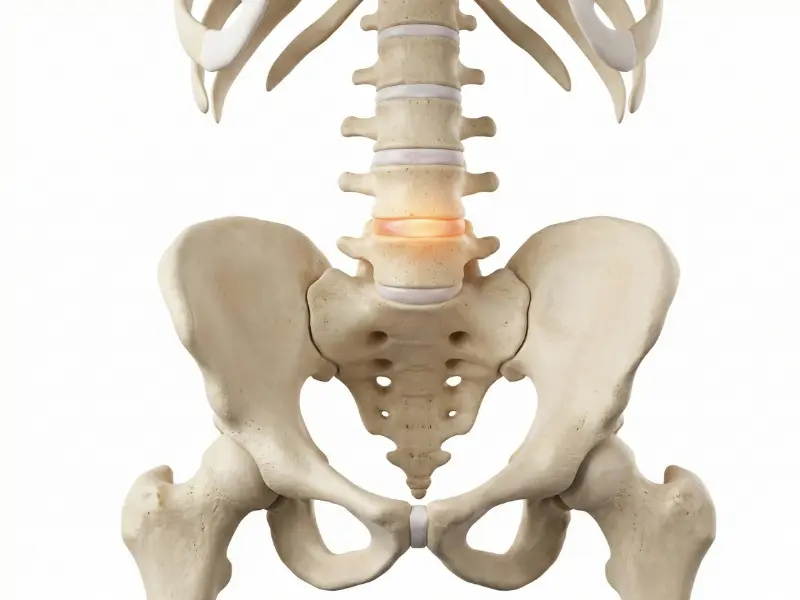
Your lower back (Lumbar Spine) is an engineering marvel. It supports the weight of your entire upper body while allowing you to bend and twist. Pain typically comes from three structures:
It is rarely just one thing. Most back pain is a result of a "Perfect Storm" of factors:
Pain leads to fear of movement. Fear leads to inactivity. Inactivity leads to stiffness. This cycle keeps you in pain.
The soft cushion slips out and presses on nerves (Sciatica).
Prolonged sitting (office jobs) deactivates your glutes, forcing your lower back to do all the work.
Natural wear and tear narrows the spinal canal over time.
Doctors usually start with a physical exam. Imaging is typically reserved for cases that don't improve.
Many patients panic when they see "Disc Bulge" on their MRI report. However, studies show that 30-50% of pain-free adults have disc bulges. An MRI picture does not always equal pain. We treat the patient, not the picture.
Most back pain is safe, but seek urgent care if you have:
Loss of control (Cauda Equina Syndrome).
Numbness in the groin/inner thigh.
Inability to lift toes while walking.
Back pain with unexplained weight loss.
80% of back pain resolves with conservative care. The goal is to calm the inflammation down, then build the muscles up.
Bed rest is outdated. Short walks flush inflammation and keep joints lubricated.
Use heat for comfort. Avoid "slumping" on the couch which reverses your spinal curve.
Strengthening the core and glutes is the only long-term fix to prevent future attacks.
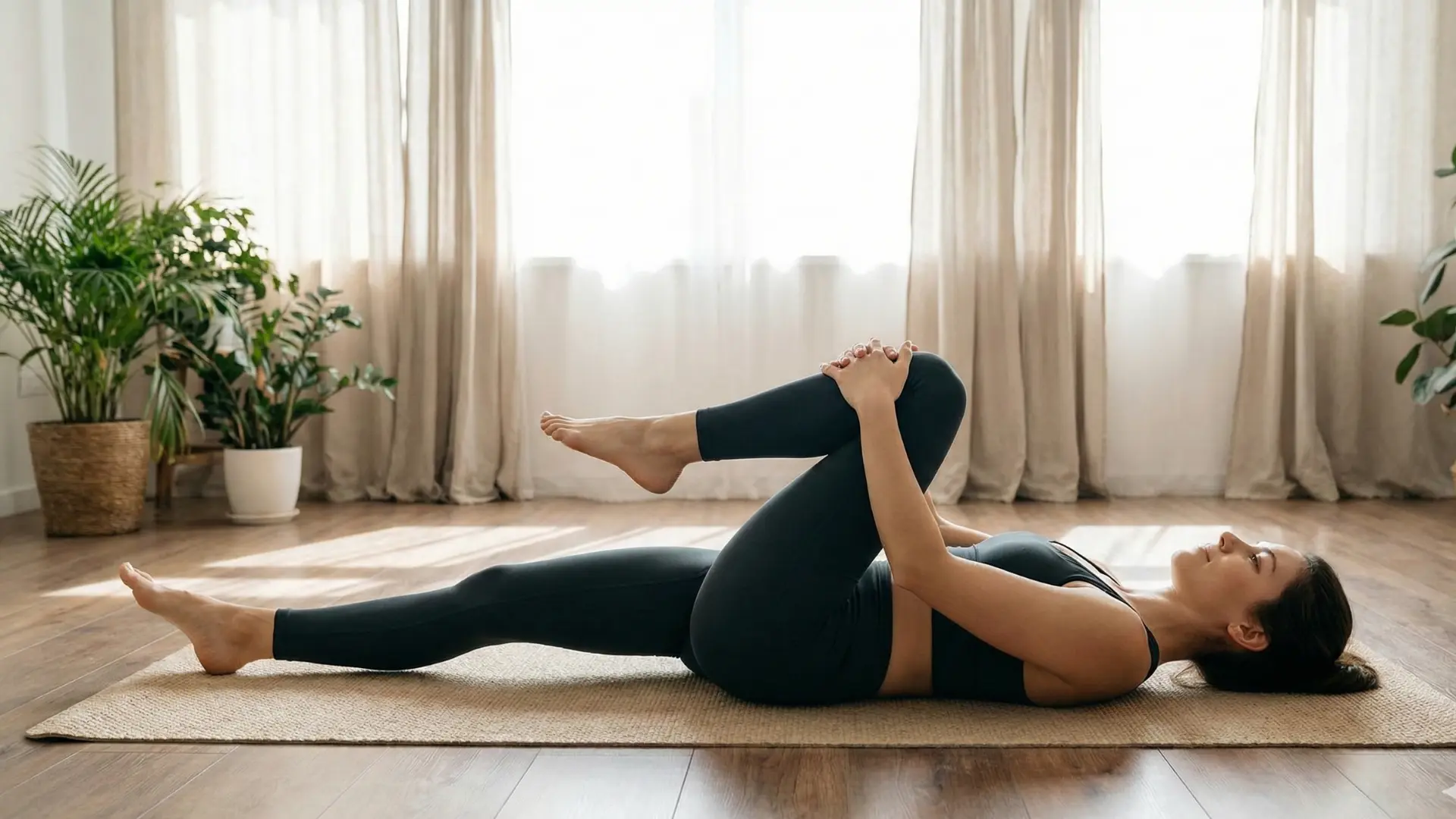
Small adjustments in your daily life can reduce pain by 50% instantly.
“Expert Review: This article includes clinical insights from Dr. Vivek Arora, a physiotherapist with 20+ years of experience.”

“Expert Review: This article includes clinical insights from Dr. Arora, a physiotherapist with 20+ years of experience.” Elliptical
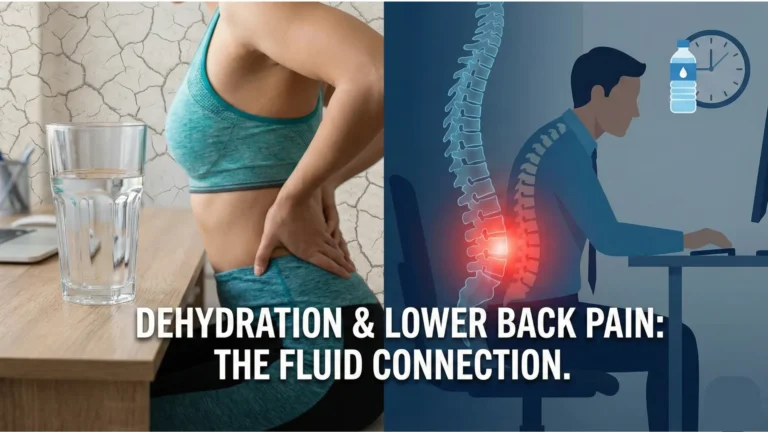
“Expert Review: This article includes clinical insights from Dr. Arora, a physiotherapist with 20+ years of experience.” If
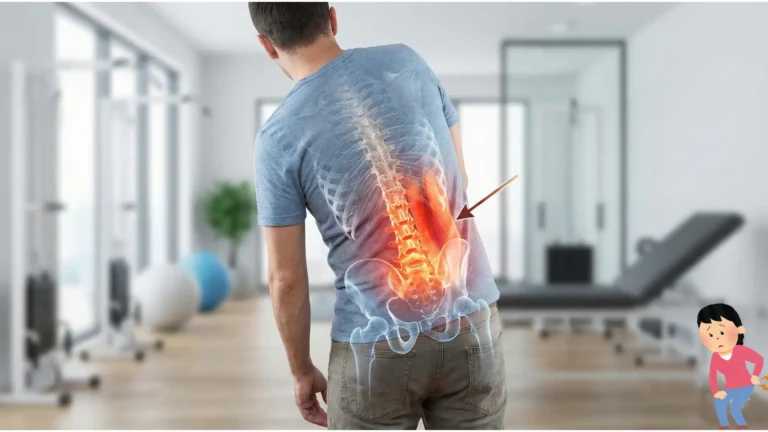
If you typed body leaning to one side lower back pain, you’re describing a very specific flare-up pattern:
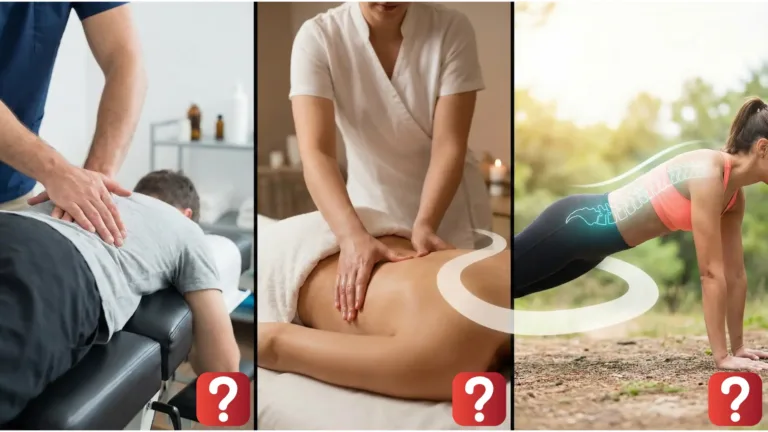
If you’re stuck deciding chiropractor vs massage for lower back pain, you’re already asking the right question—but most
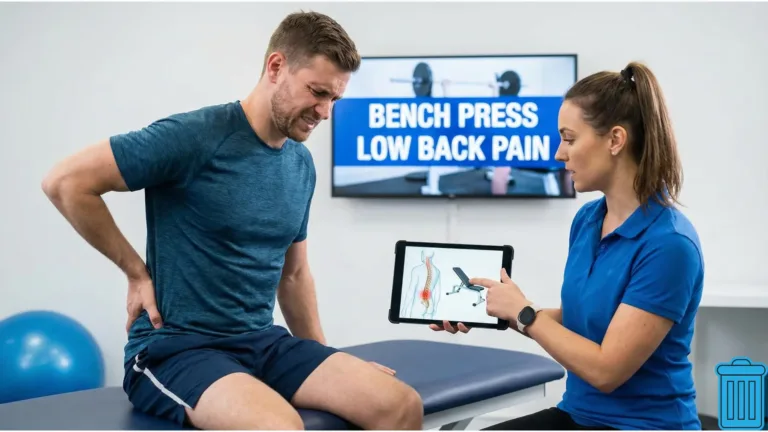
“Expert Review: This article includes clinical insights from Dr. Arora, a physiotherapist with 20+ years of experience.” Bench
Common questions about back pain, recovery, and treatment.
Still have questions? We are here to help.