See the guide to hip and lower-back symptoms for a side-by-side comparison. The location of pain helps describe it but cannot establish its source.
Have you ever felt a nagging pain hip and lower back pain that slowly creeps up or down? Or maybe it’s the other way around—your back aches, and before you know it, your hip starts to complain too. This frustrating spread of pain is more common than you think, and ignoring it can turn a minor discomfort into a chronic problem. So, what’s really going on here?
Let’s break it down and understand why hip and lower back pain travels, and more importantly, how you can stop it in its tracks.
If your first question is simply which structure is causing the ache, start with our guide on how to tell whether you have lower back or hip pain, which sets out the location clues and movement tests that separate a true hip joint problem from a spinal one.
How are your hip and lower back connected?
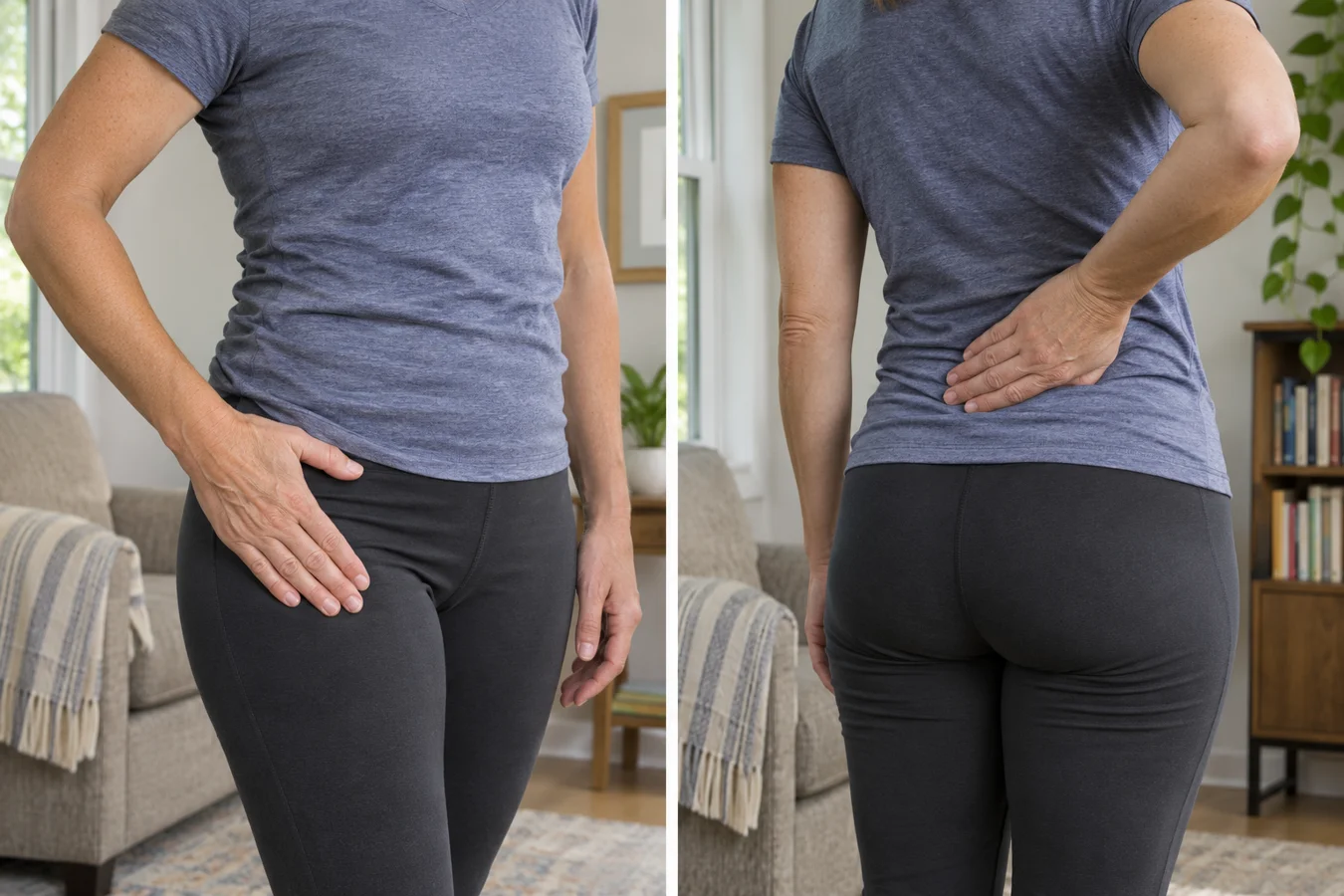
The Anatomy of the Hip and Lower Back
Think of your hip and lower back as partners in a dance. The hip is a ball-and-socket joint designed for flexibility, while your lower back (lumbar spine) provides stability and support. These two areas are interconnected through muscles, ligaments, and nerves that coordinate your every movement—walking, sitting, bending, and even standing still.
Medical literature describes a ‘hip–spine syndrome’ where hip, pelvis, and lumbar spine mechanics (and pain patterns) overlap—so when symptoms seem to travel, both regions should be assessed rather than treating only the most painful spot, as described in a review of hip–spine syndrome.
How These Areas Work Together in Movement
During movement, the hip and lower back need to function together smoothly. If one becomes stiff, weak, or suffers an injury, the other area often takes on extra strain to make up for it.. This compensation often leads to overuse, strain, and eventually, hip and lower back pain spreading from one region to another.
Does the pain pattern point toward hip or spine?
| Pattern | Possible source | Important limitation |
|---|---|---|
| Groin pain or reduced hip rotation | Hip joint may contribute | Lumbar and pelvic sources may coexist |
| Buttock-to-leg pain with tingling | Lumbar nerve root or peripheral nerve may contribute | Symptoms alone cannot identify which nerve |
| Back and hip pain that changes with activity | Musculoskeletal contribution possible | Activity-related pain does not exclude serious illness |
| Progressive weakness or bladder/bowel changes | Potential neurological emergency | Seek immediate assessment |
What can cause pain between the hip and lower back?
Sciatica: The Classic Culprit
Sciatica describes pain or altered sensation along a sciatic nerve distribution, usually because a nerve root in the lower back is irritated. The sciatic nerve forms from lower spinal nerve roots and travels through the buttock and down the leg; it does not run upward from the hip to the back.
Hip Joint Arthritis and Referred Pain
Arthritis in the hip joint can create a chain reaction. The body shifts posture to avoid hip pain, which inadvertently puts more strain on the lower back, leading to secondary hip and lower back pain.
Piriformis Syndrome – The Hidden Trigger
The piriformis is a small muscle deep in the buttock that can irritate the sciatic nerve if it becomes tight or inflamed. This causes hip pain that radiates to the lower back, often mimicking sciatica.
Sacroiliac Joint Dysfunction
The sacroiliac (SI) joint connects the spine to the pelvis. Dysfunction or inflammation here can lead to hip and lower back pain, often making it hard to pinpoint the exact source.
Lumbar Disc Herniation (Slip Disc)
A slipped or herniated disc in the lumbar spine can press on nearby nerves, resulting in pain that begins in the lower back and spreads to the hip region.
Muscular Imbalances and Weak Core
Weak abdominal and gluteal muscles can cause muscular imbalances, forcing the lower back and hips to bear extra loads during movement. This is a major, often overlooked cause of hip and lower back pain.
How Poor Posture and Daily Habits Contribute
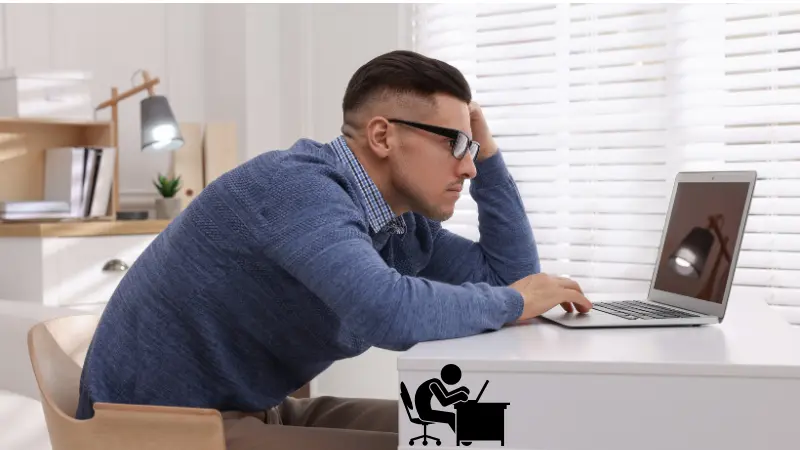
Sitting for Long Hours – The Silent Enemy
Modern life has us glued to chairs for hours, whether it’s for work, driving, or binge-watching shows. Prolonged sitting tightens the hip flexors and weakens the core, leading to hip and lower back pain that slowly worsens over time.
Bad Sleeping Positions and Their Impact
Sleeping on a too-soft mattress or in awkward positions twists the spine and hips unnaturally, putting stress on joints and muscles, resulting in persistent hip and lower back pain.
Which symptoms need medical assessment?
Numbness, Tingling, and Shooting Pain
These are red flags that nerves are being compressed. If you experience these sensations, especially if they radiate down one leg, consult a doctor immediately.
Reduced Range of Motion or Stiffness
Struggling to bend, twist, or even walk without discomfort? These mobility issues indicate underlying problems that need attention before they worsen.
Diagnosing the Root Cause

Physical Examination and History
A thorough physical examination helps doctors identify movement patterns, pain triggers, and muscular imbalances contributing to your hip and lower back pain.
Imaging Tests – MRI, X-rays, and More
When necessary, imaging tests like MRIs or X-rays can reveal deeper issues like disc herniation, arthritis, or joint dysfunction.
Effective Treatment Options
Physical Therapy and Targeted Exercises
A physical therapist (physiotherapist) can design specific exercises to strengthen weak muscles, improve flexibility, and correct posture. Consistent therapy often yields long-term relief hip and lower back pain.
Medications for Pain Management
Over-the-counter pain relievers, anti-inflammatory drugs, and muscle relaxants can help control acute pain episodes effectively.
Injections and Advanced Pain Relief Methods
In cases of severe inflammation or nerve compression, corticosteroid injections or nerve blocks may provide significant pain relief hip and lower back pain.
When Surgery Becomes Necessary
Surgery is considered a last resort but may be necessary for severe cases like advanced disc herniation or hip joint degeneration that hasn’t responded to other treatments.
Home Remedies to Ease the Pain
Stretching and Strengthening Routines
Daily stretches focusing on hip flexors, hamstrings, and lower back muscles can significantly reduce tension and improve mobility, addressing hip and lower back pain.
👨⚕️ Dr. Arora’s Clinical Note:
A pattern I see again and again is people trying to “stretch it out” the moment pain starts traveling from the hip into the low back. The problem is that aggressive stretching (hamstrings, hip flexors, deep forward bends) can sensitize irritated nerve tissue or reinforce a hip–spine compensation pattern—and that’s when the pain seems to spread further instead of settling.Here’s a quick, practical rule that usually clarifies the direction of the problem: chase change, not burn. Try 10 gentle back extensions (standing back-bends or prone press-ups) and then stand/walk for 60 seconds. If your pain centralizes (moves closer to the spine and away from the hip/leg), the spine is likely the main driver and extension-biased moves may help. If extension does nothing but a short set of hip isometrics (like a pain-free glute bridge hold for 20–30 seconds) reduces hip/back discomfort, the hip and pelvic control are likely the bigger issue.
The shortcut most people miss: stability first, mobility second. Calm the system with brief, repeatable positions/isometrics that reduce symptoms, then add stretching only if it consistently makes you feel looser without increasing radiating pain later the same day.
Heat and Ice Therapy
Heat or cold may improve short-term comfort for some people. Use a protective layer, avoid skin irritation, and stop if symptoms increase.
Preventing Pain from Returning
Ergonomics and Correct Posture
Adjusting your workspace and varying positions during daily activities may help some people manage hip and lower-back pain; no single posture prevents every recurrence.
Building a Spine-Safe Fitness Routine
Incorporate low-impact exercises like swimming, yoga, and Pilates into your routine to keep your spine and hips healthy and mobile.
Lifestyle Changes That Make a Difference
Weight Management and Diet
Maintaining a healthy weight reduces the load on your hip and back joints. An anti-inflammatory diet rich in fruits, vegetables, and lean proteins supports overall joint health.
Stress Reduction Techniques
Chronic stress leads to muscle tension, especially in the back and hips. Practices like meditation, deep breathing, or even a daily walk can work wonders.
Conclusion
hip and lower back pain is more connected than you might think. What starts as a minor discomfort can quickly spiral into a widespread problem if left unchecked. But the good news? With the right understanding, proper diagnosis, and a proactive approach involving therapy, posture correction, and lifestyle tweaks, you can reclaim a pain-free life.
Stop ignoring the signs—your body is asking for help. Listen to it, act now, and get back to moving freely.
FAQs
1. Why does my hip pain get worse when I sit?
Prolonged sitting tightens the hip flexor muscles and increases pressure on the sciatic nerve, leading to worsening hip and lower back pain.
2. Can a pinched nerve in my hip affect my lower back?
Nerve symptoms around the hip can resemble symptoms from the lower back. Pain location alone cannot establish the source, so an examination is more useful than assuming one region is responsible.
3. How long does it take to recover from sciatica?
Recovery varies from person to person but typically ranges from a few weeks to a few months with proper therapy and exercises.
4. Are home exercises enough to fix hip and back pain?
Mild cases can improve with home exercises, but persistent or severe hip and lower back pain often requires professional physical therapy and medical guidance.
5. When should I see a doctor for hip and lower back pain?
If your hip and lower back pain persists beyond a week, worsens with activity, or is accompanied by numbness or tingling, you should consult a doctor.
6. Can walking worsen hip to lower back pain?
Walking is generally beneficial, but if your gait is altered due to an underlying issue like sciatica or arthritis, it can aggravate hip and lower back pain. A physical therapist can correct your walking mechanics.
7. How does weight gain influence hip and lower back pain?
Excess body weight increases the load on your hips and lower back, which can amplify stress on joints and muscles, worsening hip and lower back pain.
8. Is chiropractic care effective for hip and lower back pain?
Manual therapy may provide short-term symptom relief for some people, but an adjustment is not proof that nerve pressure has been relieved. However, it’s important to consult a professional for a proper diagnosis.
9. Can yoga help relieve hip and lower back pain?
Yes, yoga can improve flexibility, strengthen supporting muscles, and relieve tension, which helps in managing hip and lower back pain effectively.
10. What are the best sleeping positions for hip and lower back pain relief?
Sleeping on your side with a pillow between your knees or on your back with a pillow under your knees helps maintain spinal alignment and reduces hip and lower back pain.
11. Can dehydration cause hip and lower back pain?
Dehydration can contribute to muscle cramps in some circumstances, but there is no good basis for assuming ordinary dehydration shrinks spinal discs enough to explain hip and back pain.
12. How long should I rest if I have hip and lower back pain?
Short-term rest (1-2 days) is fine, but prolonged inactivity can worsen hip and lower back pain. Gentle movement and guided exercises promote faster recovery.
With 20+ years of clinical experience in spine, joint, and pain management, Dr. Vivek ensures every article reflects accurate, trustworthy, and up-to-date health advice.
Learn more about Dr. Vivek’s qualifications & journey →